
Jumping spiders are among the most captivating arachnids to keep as pets. Their curious nature, impressive vision, and unique hunting behaviors make them a favorite for exotic pet enthusiasts. But How Long Do Pet Jumping Spiders Live? Short answer: their lifespan is relatively short.
If you’ve ever wondered how long jumping spiders live and what affects their longevity, this guide explains everything you need to know—from average lifespan and diet to habitat setup and stress factors that can shorten their lives.
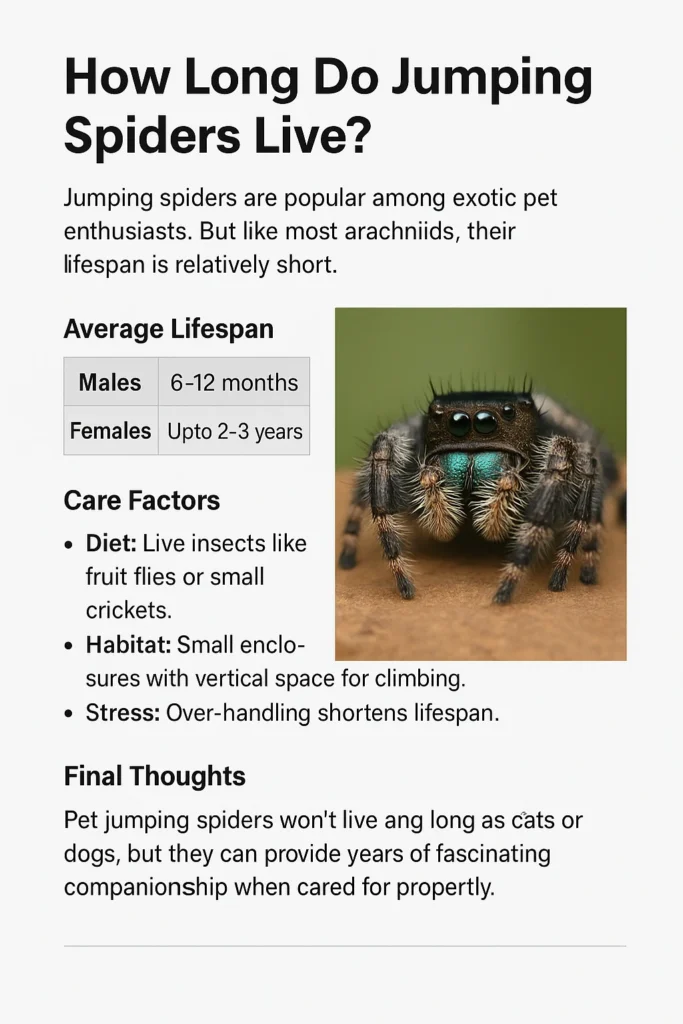
Average Lifespan of Jumping Spiders
The average lifespan of a jumping spider depends heavily on its sex, environment, and care conditions. In general, females tend to live longer than males, both in the wild and in captivity.
| Gender | Average Lifespan |
|---|---|
| Males | 6–12 months |
| Females | Up to 2–3 years |
Male jumping spiders usually live less than a year, as they often die shortly after mating. Females, on the other hand, can live up to three years with proper care. In nature, most jumping spiders don’t reach their full potential lifespan because of predators, harsh weather, and food scarcity. When kept as pets, they can easily live to the upper end of their life expectancy.

What Jumping Spiders Eat
Jumping spiders are carnivorous and rely on live prey for nutrition. They don’t spin webs to catch food; instead, they use their sharp vision and agility to stalk and pounce on their prey.
- Diet: Small live insects such as fruit flies, pinhead crickets, and houseflies.
- Feeding frequency: Adults can be fed every two to three days, while younger spiders may need smaller meals more often.
- Hydration: They don’t drink from bowls. Instead, light misting provides the moisture they need.
- Avoid: Wild-caught insects, which may carry pesticides or parasites that can harm your spider.
Providing a varied diet not only keeps them healthy but also encourages natural hunting behavior, improving overall well-being and lifespan.
Quick Read: Do You Know What to Feed a Nursing Cat
Habitat and Enclosure Setup
A comfortable and safe habitat is essential to help your jumping spider live longer. Although small, these spiders are active and need an environment that allows for climbing, exploring, and hunting.
- Tank size: A small enclosure around 4–8 inches tall works well.
- Vertical space: Important for climbing and jumping; include twigs, leaves, or artificial plants.
- Temperature: Maintain room temperature between 70–80°F (21–27°C).
- Humidity: Lightly mist once or twice a week to maintain moderate humidity levels.
- Substrate: Use coconut fiber or paper towels for easy cleaning.
A well-ventilated enclosure that mimics their natural surroundings helps reduce stress and encourages normal behavior. Overly humid or dry environments can affect molting and shorten their lifespan.
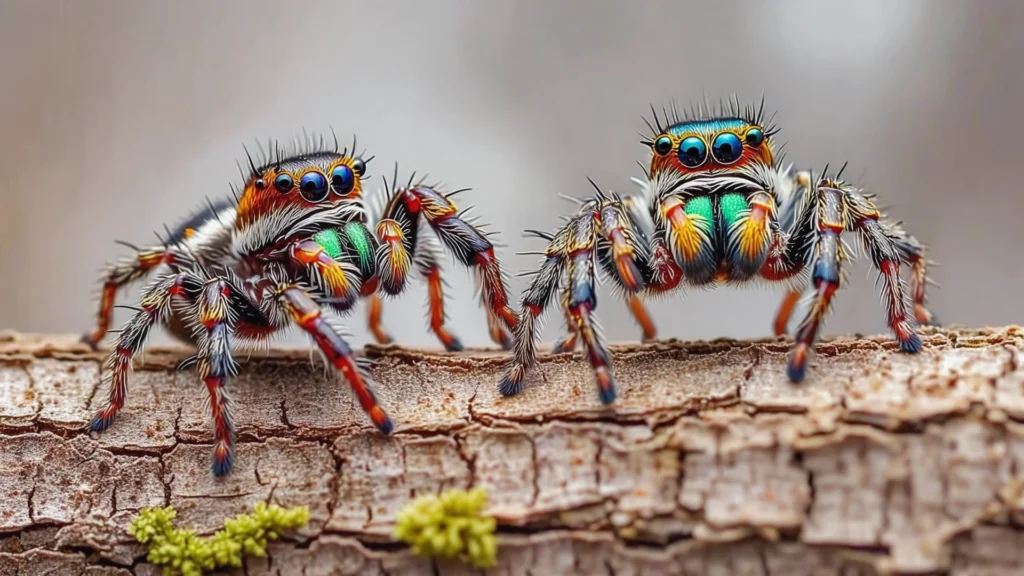
Stress and Handling
Jumping spiders can recognize their owners and may even show curiosity, but frequent handling is not recommended. Unlike larger tarantulas, they are small and fragile, and stress can be fatal.
- Handle only when necessary.
- Avoid sudden movements, loud vibrations, or bright light.
- Never attempt to pick them up during molting.
Stress can reduce appetite, interfere with molting, and cause premature death. The best way to enjoy a jumping spider is by observing its natural behavior rather than handling it often.
Molting and Growth Stages
Like all spiders, jumping spiders grow by molting—shedding their exoskeleton multiple times as they mature. Molting is a delicate process and one of the most dangerous periods in a spider’s life.
- Avoid feeding during molting; prey can injure a vulnerable spider.
- Maintain stable humidity to prevent dehydration.
- Allow several days after molting before feeding again.
Each successful molt marks a stage of healthy growth. Problems during molting are a common reason why some jumping spiders have shorter lifespans in captivity.
Do You Know How Long Do Pet Jellyfish Live?
How to Help Your Jumping Spider Live Longer
Even though jumping spiders don’t live as long as dogs or cats, good care can significantly extend their lifespan and improve quality of life. Here are some ways to help:
- Feed regularly with fresh, appropriate-sized live prey.
- Maintain consistent temperature and humidity levels in the enclosure.
- Limit handling and provide a calm environment.
- Keep the habitat clean, removing uneaten prey and waste.
- Provide climbing structures and hiding spaces to reduce stress.
- Observe behavior regularly for early signs of health issues.
Jumping spiders thrive in calm, predictable environments. Consistency in care is the key to longevity.
Breeding and Its Impact on Lifespan
If you plan to breed jumping spiders, keep in mind that males typically die soon after mating, while females live longer to lay eggs and care for their offspring. Breeding can be rewarding but should only be done by owners with experience, as improper conditions can lead to stress or cannibalism.
Final Thoughts on Jumping Spiders Lifespan
So, how long do jumping spiders live? On average, males survive for about 6–12 months, while females can live 2–3 years with proper care. Though their lives are short compared to traditional pets, their intelligence, curiosity, and individual personalities make them deeply fascinating companions.
With the right diet, environment, and attention to stress reduction, your pet jumping spider can enjoy a full, healthy life—bringing months or years of unique interaction and natural beauty to your home.
Visit PetSaw