
How Long Do Pet Jellyfish Live? Lifespan, Care, and Key Factors Explained | Petsaw.com
Jellyfish are among the most mesmerizing creatures in the ocean. Their hypnotic movements and graceful pulses make them a truly unique addition to a home aquarium. However, unlike cats or dogs, jellyfish require highly specialized care to survive.
If you’re considering bringing one into your home, it’s important to understand how long pet jellyfish live and what factors influence their lifespan. At Petsaw.com, we break down everything you need to know about caring for these delicate marine animals.

Average Lifespan of Pet Jellyfish
The lifespan of a jellyfish in captivity varies by species and the conditions of its environment. Most species live significantly shorter lives in home aquariums than in the wild, primarily due to the challenges of maintaining ideal water conditions.
| Species | Average Lifespan in Captivity |
|---|---|
| Moon Jellyfish (Aurelia aurita) | 6 months – 1 year |
| Upside-Down Jellyfish (Cassiopea spp.) | Around 12 months |
| Atlantic Sea Nettles (Chrysaora quinquecirrha) | Up to 18 months |
In the wild, certain species can live several years, but even in professional aquariums, the typical pet jellyfish lifespan rarely exceeds a year and a half.
For hobbyists, the key to extending lifespan is maintaining pristine tank conditions and providing consistent, appropriate food.
Tank Conditions and Setup
Proper tank design is one of the most important factors affecting jellyfish longevity. Unlike fish, jellyfish have soft, delicate bodies that can easily be damaged by sharp corners or strong water currents.
Tank requirements:
- Kreisel or circular tanks: These are specially designed aquariums that create a gentle, circular flow, preventing jellyfish from becoming trapped in corners or sucked into filters.
- Water movement: The flow must be even and consistent to keep the jellyfish suspended without harming them.
- Lighting: Soft LED or ambient light helps mimic their natural environment while preventing overheating.
- Temperature: Most pet jellyfish thrive between 74–78°F (23–26°C), depending on the species.
A properly designed aquarium ensures jellyfish can move naturally without stress or injury, helping them live longer and remain healthy.
Water Quality and Maintenance
Water quality is the most critical factor influencing how long pet jellyfish live. Even small changes in salinity, temperature, or cleanliness can quickly stress or kill them.
- Salinity: Maintain at 1.024–1.026 specific gravity, checked with a refractometer.
- Ammonia and nitrite: Should always be 0 ppm. Even trace amounts are harmful.
- Filtration: Use sponge filters or jellyfish-safe systems to prevent accidental injury.
- Partial water changes: Replace 10–20% weekly to maintain stability.
Monitoring water parameters daily is essential. Jellyfish are extremely sensitive to fluctuations that fish or corals could easily tolerate.
Feeding and Nutrition
Jellyfish are carnivorous and rely on a steady diet of tiny, nutrient-rich organisms. In captivity, you’ll need to feed them consistently to ensure proper health and growth.
Common jellyfish foods:
- Live or frozen brine shrimp
- Copepods or plankton substitutes
- Jellyfish-specific powdered foods (available from marine suppliers)
Feed small amounts once or twice daily. Overfeeding can pollute the tank, while underfeeding weakens your jellyfish and shortens its lifespan.
Do You Know How Long Do Pet Jumping Spiders Live?
Factors That Shorten Lifespan
Even with the best care, certain conditions can reduce how long your jellyfish live in captivity:
- Improper water flow that damages delicate tissue.
- Poor water quality due to overfeeding or infrequent cleaning.
- Sudden temperature changes that shock their system.
- Incompatible tankmates—jellyfish should always be kept alone or with their own kind.
Each of these factors creates stress that accelerates aging or leads to early death, especially in smaller species like moon jellyfish.
How to Help Your Pet Jellyfish Live Longer
To maximize your pet jellyfish’s lifespan, focus on creating a stable and low-stress environment:
- Use a dedicated jellyfish tank rather than a standard aquarium.
- Maintain consistent salinity and temperature.
- Feed small amounts of live or frozen plankton daily.
- Perform regular water testing and cleaning.
- Keep the tank out of direct sunlight and away from loud environments.
With consistent care, you can expect most pet jellyfish to live about a year, though a few may reach up to 18 months.
Final Thoughts
So, how long do pet jellyfish live? On average, moon jellyfish live 6 months to a year, while other species like upside-down jellyfish and Atlantic sea nettles can reach 12–18 months in ideal conditions.
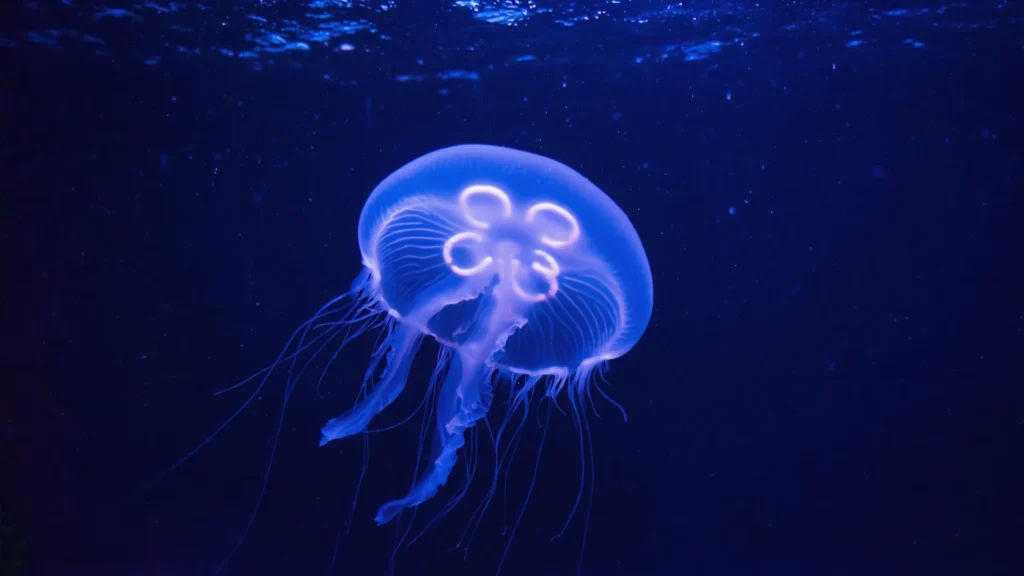
Although they are short-lived pets, jellyfish can bring incredible beauty and serenity to your space. Their flowing movements and bioluminescent glow create a captivating underwater display that’s well worth the effort.
At Petsaw.com, we believe proper knowledge and care can make even a brief time with these fascinating creatures a truly rewarding experience.
Go To PetSaw